If you’ve ever tasted a great Indian dish and wondered what makes it so good? The answer almost always comes down to spice layering. Indian cooking isn’t built on a single bold flavor; it’s built on a carefully sequenced stack of them, with each spice entering the pan at just the right moment to do its job.
From warm and earthy to bright and aromatic, these spices work together to create balance and depth.
This guide breaks down 10 of the most essential Indian spices for cooking: what they taste like, how they’re used, and why they matter to the final dish. Whether you’re cooking from scratch or just trying to understand the flavors you love, this is where to start.
Quick Reference: Indian Spice Flavor Profiles
| Spice | Flavor | Heat level | Used in |
| Turmeric | Earthy, slightly bitter | None | Curries, rice, and sauces |
| Cumin | Smoky, nutty | None | Dal, curries, spice blends |
| Coriander | Citrusy, mild | None | Spice blends, sauces |
| Garam Masala | Warm, complex, aromatic | Mild | Almost everything |
| Cardamom | Floral, sweet | None | Savory dishes, desserts |
| Mustard Seeds | Nutty, slightly sharp | Mild | South Indian dishes, dal |
| Fenugreek | Bitter, maple-like | None | Curries, pickles |
| Chili Powder | Pungent, smoky | Mild–Hot | Marinades, curries |
| Cloves | Sweet, aromatic, intense | None | Rice dishes, spice blends |
| Cinnamon | Warm, lightly sweet | None | Meat dishes, biryanis |
Empty heading
1. Turmeric
Turmeric is known for its yellow-golden color and earthy flavor. It comes from the root of the Curcuma longa plant and contributes a deep, earthy, faintly bitter flavor. Almost every Indian curry you’ve ever eaten started with turmeric going into hot oil early in the cooking process. It’s how the color and flavor get built into the entire dish from the ground up.
Beyond flavor, turmeric contains curcumin, an active compound widely studied for anti-inflammatory properties, which is part of why it’s become one of the most globally recognized Indian spices outside of the kitchen.
How it’s used: Added early, usually with onions or just after. Start with a small amount, a half teaspoon goes a long way. Turmeric stains easily, so handle it with care.
You’ll taste it in Cafe Spice’s Cauliflower & Potato Curry and Bombay Lentils & Spinach.
2. Cumin
Cumin is one of the most foundational Indian spices for cooking: warm, earthy, and slightly smoky. With a flavor profile that sits somewhere between toasted nuts and dried citrus. It’s used both as whole seeds and as ground powder, often within the same dish.
When whole cumin seeds hit hot oil, they begin to pop and release their essential oils within seconds, a technique called tadka (tempering). This blooming step is what creates the deep, smoky base of dals, rice dishes, and curries. Ground cumin is added later in the cooking process to build on that foundation.
How it’s used: Whole seeds go in first, into oil or ghee. Ground cumin follows with other powdered spices. Toast carefully, cumin burns quickly and turns bitter.
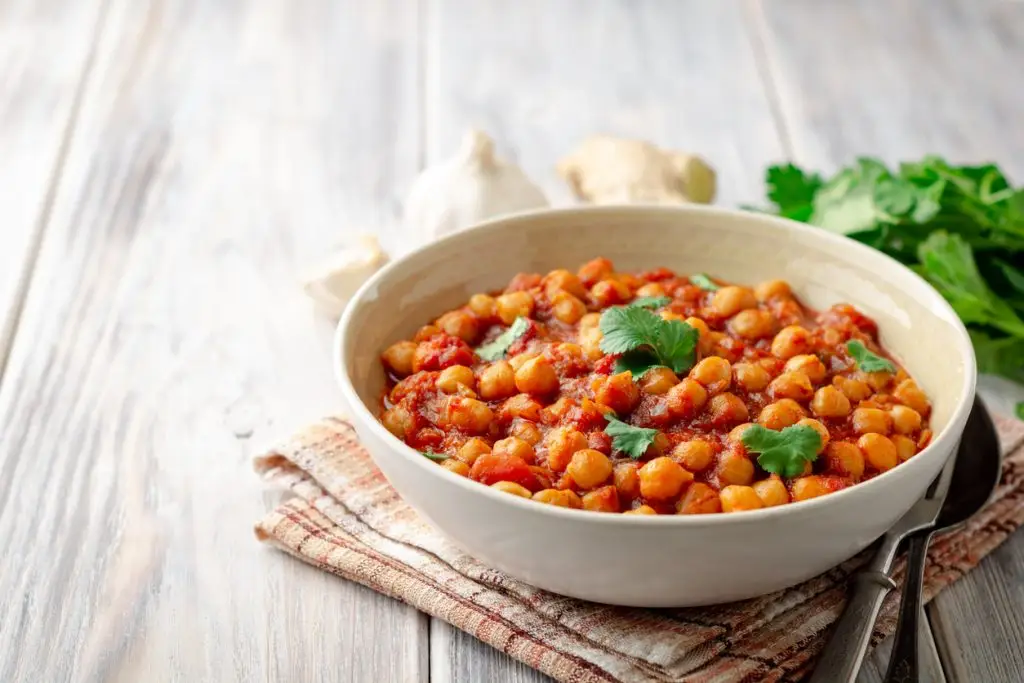
You’ll taste it in Channa Masala and Chicken Curry.
3. Coriander
Coriander seeds are the dried fruit of the cilantro plant, but their flavor is quite different from the herb: rounder, warmer, with a bright citrusy edge.
Ground coriander is one of the most widely used spices in Indian cooking precisely because it acts as a bridge. It softens the intensity of stronger spices like cumin and chili while adding a mild, approachable flavor.
It’s a cornerstone of almost every spice blend, including garam masala, and pairs particularly well with tomato-based sauces.
How it’s used: Almost always ground, added mid-cook with other spice powders. Sometimes dry-roasted first for a deeper, more complex flavor.
You’ll taste it in Chicken Tikka Masala and Saag Paneer.
4. Garam Masala
Garam masala isn’t a single spice. It’s a blend, and arguably the most important one in Indian cooking. The name translates roughly to “warming spice mix,” and the blend typically combines cinnamon, cloves, cardamom, cumin, coriander, black pepper, and sometimes nutmeg or bay leaf.
Exact ratios vary widely by region and household.
What makes garam masala distinct is when it’s used. Unlike most spices that build flavor from the beginning of cooking, garam masala is added near the end (sometimes in the final 60
seconds) to preserve its aromatic complexity. Adding it too early dissipates the volatile compounds that give it character.
How it’s used: A pinch stirred in just before serving. It can also be used early in small quantities for a deeper base note. A little goes a long way.
You’ll taste it in: Nearly all of Cafe Spice’s Indian meals, including Butter Paneer and Vegetable Korma.
5. Cardamom
Cardamom is one of the world’s most expensive spices by weight, and once you taste it, the price makes sense. Green cardamom, the most common variety, has a striking combination of floral sweetness, mild eucalyptus, and subtle citrus that doesn’t quite resemble anything else.
It shows up in savory curries, rice dishes, chai, and Indian desserts alike.
Black cardamom is a smokier, more intense relative used differently, typically in biryanis and heavy meat dishes.
How it’s used: Whole pods can be added early (and removed before serving) or the seeds can be ground into spice blends. For desserts, crushing the seeds releases maximum fragrance.
You’ll taste it in Chicken Cashew Korma and Coconut Chicken Curry.
6. Mustard Seeds
Black or brown mustard seeds are tiny, but they have an outsized effect on a dish. Raw, they’re fairly mild. But drop them in hot oil and within seconds they begin to sputter and pop. Releasing a pungent, nutty flavor into the cooking fat that gets absorbed by everything that follows.
This tempering technique is especially central to South Indian cooking.
How it’s used: Always added to hot oil first, before any other aromatics. Wait until they pop and the sputtering slows before adding the next ingredient. Use a lid or splatter guard.
You’ll taste it in Bombay Lentils & Spinach and vegetable-focused dishes.
7. Fenugreek
Fenugreek is one of those spices that beginners often find surprising: it has a distinctive bitter edge with an undertone that some describe as maple syrup or burnt caramel. Used in excess, it can overwhelm a dish. But in the right small quantity, it adds a depth to sauces and spice blends that’s hard to replicate.
Fenugreek seeds are also high in protein and have a long history of use in Ayurvedic cooking and traditional medicine.
How it’s used: Sparingly, usually just a few seeds or a pinch of ground fenugreek in the tempering stage. It’s also an ingredient in many commercial spice blends and pickled dishes.
You’ll taste it in: Rich curry sauces and spice-forward dishes like Butter Chicken Meatballs.
8. Chili Powder
India is the world’s largest producer of chili peppers, and chili powder is a cornerstone of the cuisine, though not all Indian chili powder is the same.
Kashmiri chili powder, for example, is valued more for its deep red color than for its intense heat.
Hotter varieties like Guntur chili powder are used where real fire is the point.
Unlike Western chili powder blends, Indian chili powder is typically pure ground dried chilies with no added cumin or garlic.
How it’s used: Added with other ground spices during the cook. Adjust quantity based on your heat tolerance. Kashmiri chili powder is a good starting point if you want color without too much fire.
You’ll taste it in Chicken Vindaloo (hot) and Channa Masala (mild).
9. Cloves
Cloves are flower buds. Specifically, dried unopened flowers from the clove tree and they carry an enormous concentration of essential oils. This gives them a strong, warm, almost medicinal character.
A single clove in a rice dish is noticeable; five cloves can overwhelm everything else. They’re used sparingly but with intention.
In Indian cooking, cloves are a key component of garam masala and appear frequently in rice dishes like biryani and pulao. They’re almost always removed before serving when used whole.
How it’s used: Whole in the early tempering stage (remove before serving), or ground into spice blends. Never overdo it.
You’ll taste it in: Any dish built on a garam masala base, including Saag Paneer.
10. Cinnamon
Most people associate cinnamon with sweet baking, but in Indian cooking, it plays a quietly essential savory role. Added in stick form to hot oil early in a dish, it releases a warm, slightly sweet aroma that anchors heavier flavors like lamb, tomato, or lentils.
It’s a key element of biryani and appears in garam masala blends throughout North India.
Interestingly, much of what’s sold as cinnamon in the US is actually cassia bark, a close relative with a slightly stronger, less nuanced flavor. Both work in Indian cooking.
How it’s used: Whole sticks in the early tempering stage, removed before serving. Ground cinnamon works in spice blends.
You’ll taste it in: Chicken Tikka Masala and Butter Paneer.
Why These Indian Spices Work So Well Together
What makes Indian spices unique isn’t just their individual flavors, but how they’re combined.
Whole spices go in first because they need heat and time to release their oils. Ground spices come next, blooming briefly before wet ingredients like tomatoes or cream absorb and carry their flavors. Finishing spices, like garam masala, go in last to preserve their volatile aromatics.
The result is a dish where every layer has a distinct contribution: some spices build the base, some add brightness, and a few provide warmth or intensity.
None of them dominate.
They create dishes that feel layered and balanced rather than overpowering.
Experience These Spices Without Cooking From Scratch
Many of these spices are used across a wide range of dishes, from simple rice preparations to more complex sauces. They’ve also become more widely used beyond traditional Indian cooking, showing up in a variety of global recipes.
If you’re curious how these spices come together in fully prepared dishes, you can explore a variety of options that highlight these flavors in everyday meals.
At Cafe Spice, many of these spices are thoughtfully incorporated into our recipes, bringing together familiar ingredients in balanced, approachable ways.