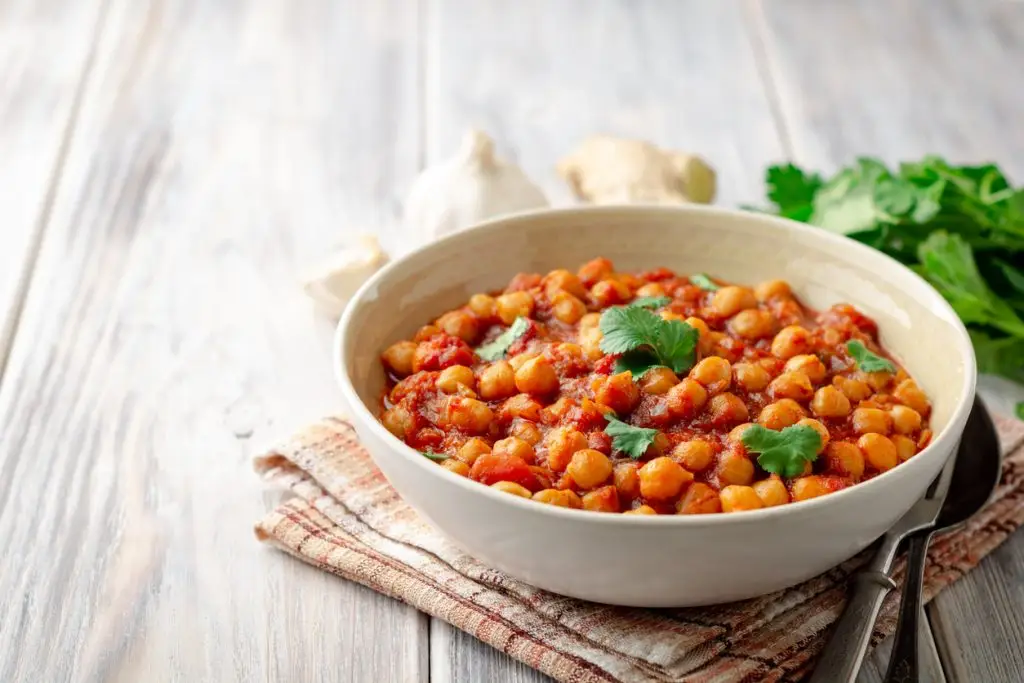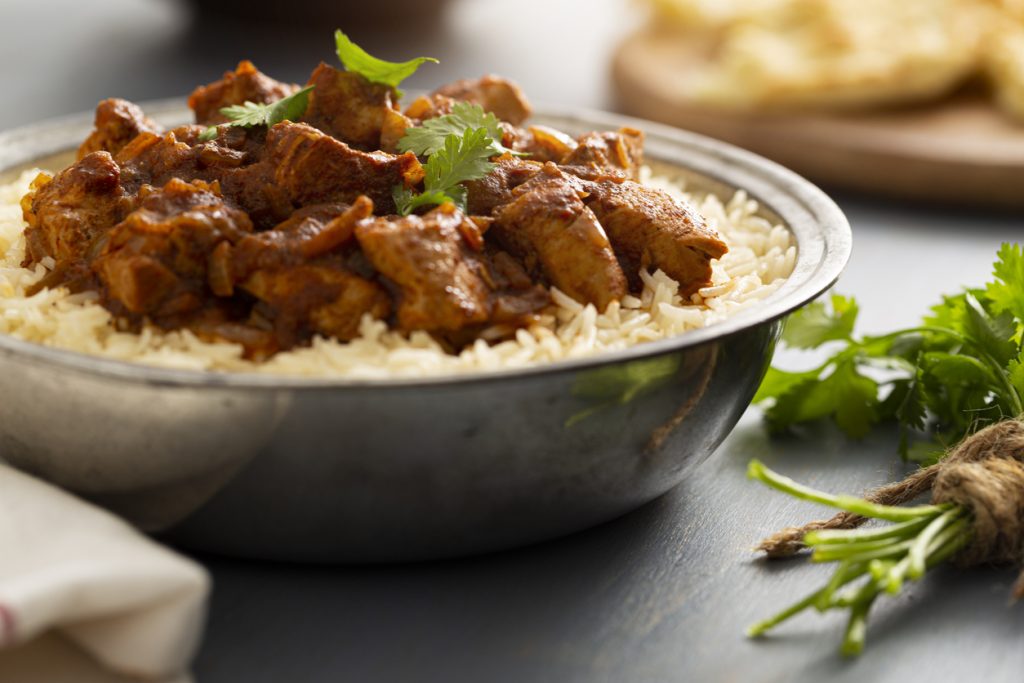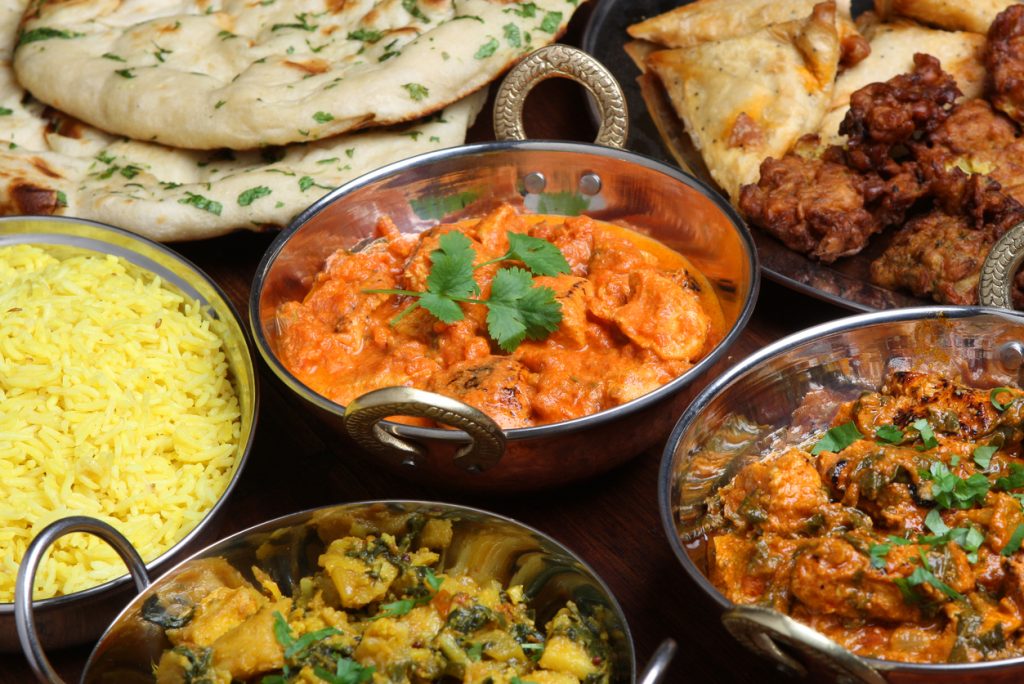
If you’ve ever enjoyed a bowl of butter chicken, fragrant biryani, or creamy channa masala, you’ve probably noticed that Indian food has a depth of flavor unlike almost any other cuisine. Rich, aromatic, and layered, Indian dishes are often described as bold, but not necessarily spicy.
So what makes Indian food so flavorful? The answer lies in centuries of culinary tradition, carefully balanced spices, and cooking techniques that build flavor one step at a time.
Layered Flavors vs. Spicy Heat in Indian Cooking
One of the biggest misconceptions about Indian cuisine is that it’s all about spicy food. While some dishes do bring the heat, authentic Indian cooking is focused on creating layers of flavor rather than simply making a dish hot.
Many recipes combine sweet, savory, earthy, tangy, and aromatic elements to create a balanced meal. Instead of relying on a single seasoning, Indian cooks often use a blend of spices that complement one another, allowing each ingredient to contribute something unique.
The Role of Indian Spices in Building Flavor
Spices are at the heart of Indian cooking, but they’re used with intention. Rather than overpowering a dish, each spice adds its own character.
Some of the most common spices include:
- Turmeric – Known for its vibrant golden color and earthy flavor, turmeric is a staple in many curries and rice dishes.
- Cumin – Warm, nutty, and slightly smoky, cumin adds depth to sauces, lentils, and vegetables.
- Coriander – Made from the seeds of the cilantro plant, coriander has a light citrusy flavor that balances richer ingredients.
- Cardamom – Sweet and floral, cardamom is commonly used in rice dishes, desserts, and aromatic sauces.
- Garam Masala – Rather than a single spice, it is a blend that often includes cinnamon, cloves, cardamom, cumin, coriander, and black pepper. It’s typically added toward the end of cooking to enhance aroma and complexity.
- Fenugreek – Slightly sweet with hints of maple and bitterness, fenugreek is frequently found in creamy curries and tomato-based sauces.
These spices work together to create the signature flavors people associate with Indian cuisine. Cooking Techniques That Build Indian Flavor
Flavor doesn’t come from spices alone. Traditional Indian cooking relies on techniques that help ingredients develop their fullest taste.
One common method is blooming whole or ground spices in hot oil or ghee before adding other ingredients. This releases the spices’ essential oils, intensifying both their aroma and flavor.
Many sauces are also simmered, allowing onions, tomatoes, garlic, ginger, and spices to blend into a rich, well-rounded base. In some dishes, proteins are marinated before cooking, giving them time to absorb seasonings and become more tender.
These techniques contribute to the depth and complexity that make Indian cuisine so distinctive. Every Region Has Its Own Indian Flavor Profile
India is incredibly diverse, and its cuisine reflects that diversity. Different regions have developed their own cooking styles based on local ingredients, climate, and cultural influences.
- Northern Indian cuisine often features creamy curries, rich tomato-based sauces, naan bread, and dairy ingredients like yogurt and cream.
- Southern Indian cuisine is known for coconut, curry leaves, mustard seeds, tamarind, and rice-based dishes with brighter, tangier flavors.
- Western and eastern regions each bring their own traditions, from seafood specialties to vegetarian dishes centered on lentils, legumes, and seasonal vegetables.
There isn’t just one “Indian food”; there are countless regional cuisines, each with its own unique flavors and techniques.
Flavor Beyond Spice
One of the best ways to appreciate Indian cuisine is to think beyond heat. Whether a dish is mild or spicy, the goal is often the same: creating a balanced combination of aromas, textures, and flavors that work together in every bite.
The next time you enjoy an Indian meal, take a moment to notice the subtle sweetness of cinnamon, the warmth of cumin, the brightness of coriander, or the earthy notes of turmeric. It’s this thoughtful layering of ingredients that has made Indian cuisine beloved around the world for generations.
Whether you’re new to Indian food or have enjoyed it for years, there’s always something new to discover, one flavorful bite at a time.
Continue Exploring Indian Cuisine
Understanding the spices, techniques, and regional traditions behind Indian cuisine is just the beginning. Every dish tells a story through its unique blend of ingredients and flavors, making each meal an opportunity to experience a rich culinary tradition.
If you’re ready to explore more, browse our collection of authentic Indian-inspired meals and discover the flavors that have made this cuisine beloved around the world.
Whether you’re trying Indian food for the first time or revisiting a favorite dish, there’s always something new to enjoy.