Every autumn, homes across India and in Indian communities around the world fill with clay
lamps, bright floor patterns, and the smell of something sweet frying in ghee. That’s Diwali, one
of the most widely celebrated festivals in the world.
If you’ve seen the lights on your neighbor’s porch, received an invitation, or just keep wondering
what the fuss is about, this guide covers what Diwali is, why it matters, and what indian cuisine
everyone is eating.
What Is Diwali?
Diwali, also spelled Deepavali, is a multi-day festival that celebrates the victory of light over
darkness and good over evil. The name comes from the Sanskrit Deepavali, which roughly
translates to “a row of lights.” It’s observed with prayer, lamps, family gatherings, gifts, and a lot
of food.
Think of it as a blend of New Year, Thanksgiving, and a family reunion, all wrapped in
candlelight. Homes are cleaned top to bottom, people wear new clothes, and friends and
relatives visit one another with boxes of sweets.
When Is Diwali in 2026?
Diwali follows the lunar calendar, so the date shifts every year.
In 2026, the main day of Diwali falls on Sunday, November 8, and most calendars place the full
festival between November 6 and 10.
Because the Hindu calendar tracks the moon rather than the clock, a festival day can straddle
two calendar dates, and some regions mark the days slightly differently. If you’re planning
around a specific event, confirm the dates with your local temple or community calendar.
Why Is It Called the Festival of Lights?
Light is the center of the entire holiday.
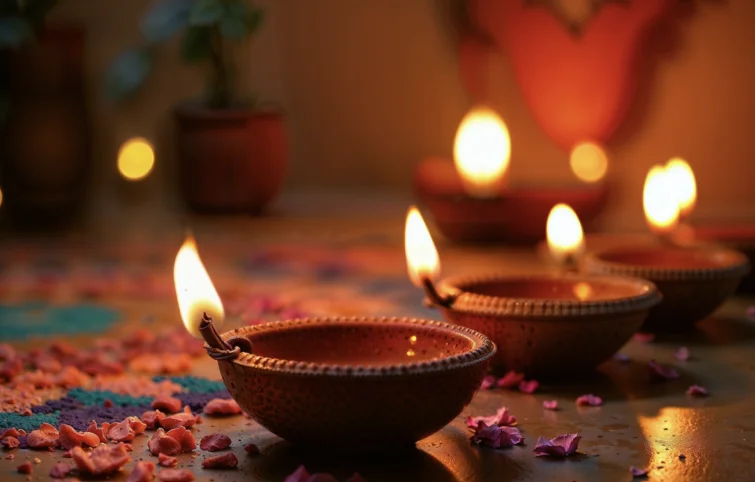
Families light diyas, small clay oil lamps, along windowsills, doorways, and rooftops, and many
homes add strings of electric lights and candles. The glow represents knowledge pushing out
ignorance and hope outlasting hardship.
Another signature tradition is the rangoli, an intricate pattern made from colored powders, rice
flour, or flower petals at the entrance of a home. It’s meant to welcome guests and, according to
tradition, the goddess Lakshmi herself.
Who Celebrates Diwali, and Why?
Diwali is celebrated by Hindus, Sikhs, and Jains, and each tradition has its own story behind it.
● Hindus commonly associate the festival with the return of Lord Rama to Ayodhya after
defeating Ravana, and the main night is devoted to Lakshmi, the goddess of prosperity.
● Sikhs observe Bandi Chhor Divas, which commemorates the release of Guru Hargobind
Sahib from imprisonment.
● Jains mark the occasion in connection with the spiritual liberation of Lord Mahavira.
Because the stories differ by region and faith, you’ll hear different explanations from different
families. They all point toward the same themes: renewal, gratitude, and togetherness.
Empty heading
The Five Days of Diwali
Most of India celebrates Diwali over five days, each with its own focus. Here’s how the 2026
schedule generally breaks down:
|
Day |
Name |
2026 Date |
What it’s about |
|
1 |
Dhanteras |
Nov 6 |
Prosperity; many people buy gold, silver, or new kitchen items |
|
2 |
Naraka Chaturdashi (Choti Diwali) |
Nov 7 |
Cleansing rituals and the triumph over darkness |
|
3 |
Diwali / Laksh mi Puja |
Nov 8 |
The main day: prayers to Lakshmi, lamps lit at dusk, family feasts |
|
4 |
Govardhan Puja |
Nov 9 |
Observed in many regions; often marks a new year in some calendars |
|
5 |
Bhai Dooj |
Nov 10 |
Siblings celebrate their bond, exchanging gifts and sweets |
Common Diwali Traditions
Beyond the five-day structure, a few customs show up in most households:
● Deep cleaning and decorating. Families clean and decorate their homes in the days
leading up to Diwali to welcome good fortune.
● New clothes. Wearing something new on the main day is a long-standing tradition.
● Lakshmi Puja. A family prayer, often held at dusk, to invite prosperity into the home.
● Fireworks and sparklers. A big part of the celebration in India, though many
communities abroad favor lamps and sparklers instead.
● Gift giving. Boxes of sweets, dried fruit, and small presents are exchanged with friends,
neighbors, and coworkers.
What Foods Are Eaten During Diwali?
Food is at the heart of the holiday, and it comes in three waves: sweets for gifting, snacks for
visitors, and a big meal for the family.
Mithai (Sweets)
Sweets are the signature of Diwali. Families make them at home or buy them in beautifully
boxed assortments to give away. Common favorites include:
● Ladoo: Round, hand-rolled sweets made from ingredients like gram flour, semolina, or
coconut. Often the first sweet families make.
● Kaju katli: A smooth, diamond-shaped cashew fudge, widely gifted.
● Gulab jamun: Soft, fried milk dumplings soaked in a fragrant sugar syrup.
● Jalebi: Crisp, spiral-shaped fried batter dipped in syrup.
● Barfi: Dense, fudge-like squares made from milk, nuts, or coconut.
Savory Snacks (Namkeen)
Once guests start arriving, there’s usually a tray of crunchy things to nibble on:
● Samosas: Crisp pastries stuffed with spiced potatoes and peas.
● Chakli: Spiral-shaped, crunchy snacks made from rice and lentil flours.
● Sev and chivda: Crispy chickpea-flour noodles and spiced puffed-rice mixes.
The Festive Meal
The main meal on Diwali night varies widely by region and family. Many households serve
vegetarian dishes during the festival, and a typical spread might include paneer in a rich sauce,
a chickpea curry, a vegetable dish, rice or pulao, and fresh bread.
It’s the kind of table where everything is shared, and everybody takes seconds.
How to Celebrate Diwali If You’re New to It
You don’t have to be Hindu, Sikh, or Jain to take part. If a friend or coworker invites you to
celebrate, here are a few ways to be a good guest:
● Say “Happy Diwali” or “Shubh Deepavali.” A warm greeting goes a long way.
● Bring something to share. A box of sweets or dried fruit is a classic host gift. Many
guests also bring flowers.
● Dress up a little. Festive, colorful clothes are common.
● Remove your shoes if you’re visiting a home, as is customary.
● Try everything. Sweets and snacks are offered generously, and accepting is considered
polite.
If you’re celebrating at home, lighting a few candles or diyas and sharing a meal with friends is a
lovely way to join in.
How to Build a Diwali Dinner Without Spending the Day in the Kitchen
Diwali cooking is famously time-consuming. Between the sweets, the snacks, the cleaning, and
the guests, many families lean on shortcuts for at least part of the meal. Here’s a simple way to
plan one:
1.Make or buy the sweets first. They’re the stars, and many keep for a week or more.
2. Set out snacks early. Namkeen mixes need no cooking at all.
3.Choose one or two mains that don’t need your attention.
4. Rich, slow-simmered dishes are the classic choice, but they take hours.
5. Round it out with rice and bread. Warm naan and basmati rice make any spread feel complete.
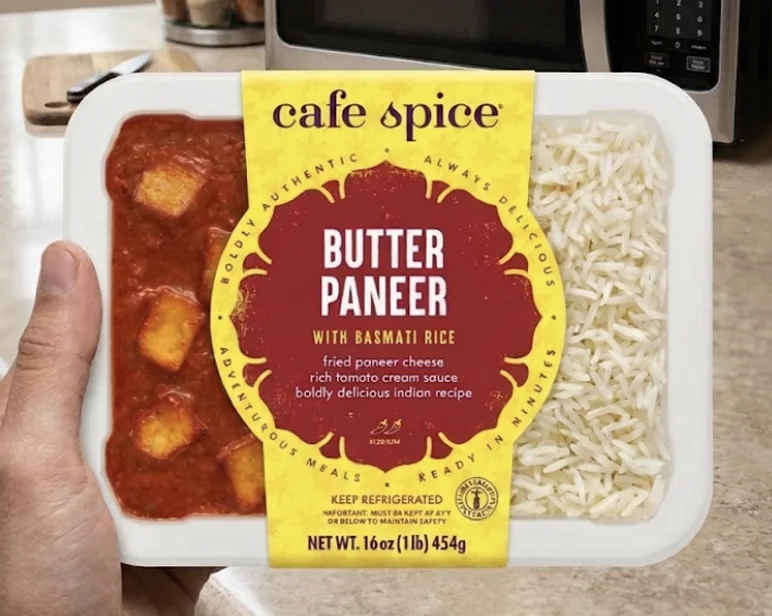
That’s where Cafe Spice can lend a hand. Our vegetarian dishes, like Butter Paneer, Channa
Masala, and Cauliflower & Potato Curry, are served with basmati rice. Heat one up, add a side of our Hand-Stretched Tandoori Garlic Naan, and you have a main dish for a festive table without a day of simmering.
Shubh Deepavali
However you spend it, whether lighting lamps at home, sharing sweets with neighbors, or just
learning what the lights on the porch are about, we hope the season brings warmth to your
table.
Happy Diwali from all of us at Cafe Spice.