If you’ve cooked or ordered Indian food more than once, you’ve probably run into the name garam masala, usually found near the end of a recipe, or listed as the finishing touch on a curry. But what is garam masala, exactly?
It’s not a single spice, and it’s not “curry powder” under a different name.
It’s one of Indian cooking’s most important spice blends, and understanding what’s actually in it makes it a lot easier to appreciate why it shows up in so many dishes.
What Is Garam Masala, Literally?
“Garam masala” translates roughly to “warm spice blend.” The term comes from Hindi and Urdu words meaning “hot spices,” but that name is a little misleading to English speakers, since it’s easy to assume “hot” means “spicy.” It doesn’t. In this context, “warm” refers to the way these particular spices are believed to heat the body from within — not the way a chili pepper delivers a burn on your tongue. Most versions of garam masala are built around a balance of sweet and savory flavors. It’s a flavor-and-warmth concept, not a spice-level warning.
So What’s Actually in Garam Masala?
Here’s where it gets interesting: there’s no single, official garam masala recipe. The ingredients vary by region and cook, which means the blend in a Punjabi household’s kitchen might look nothing like the one used two states over.
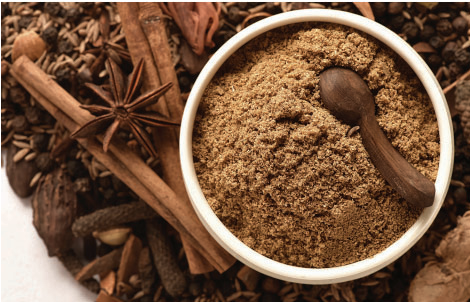
That said, most versions draw from a shared pool of aromatic spices. Common ingredients include cinnamon, mace, black peppercorns, coriander seeds, cumin seeds, and cardamom pods, typically toasted whole to release their oils before being ground into a fine powder.
Depending on the region and the cook, you’ll also frequently find:
● Cloves – Warm, slightly sweet, and intensely aromatic
● Bay leaf – Adds a subtle herbal background note
● Nutmeg – Sweet and woody, used sparingly
● Fennel seed – A faint hint of licorice in some blends
● Star anise – Common in a few regional variations
● Chiles – Some blends include a small amount for background heat, though it’s rarely the point
Northern Indian garam masala tends to be mild and aromatic, while blends made farther south often bring more chili heat into the mix. Neither version is “more correct.” They’re just different regional answers to the same basic idea.
Why Cooks Actually Use It
Garam masala isn’t a base spice; it’s a finishing spice. Most traditional recipes call for it to be added near the end of cooking, rather than at the start, as with cumin seeds or turmeric. That timing matters. The blend is packed with aromatic oils that are easily cooked off, so adding it late preserves the fragrance and flavor that make it worth using in the first place.
Here’s what it actually does in a dish:
● Adds flavorful depth. Garam masala rounds out a dish with warmth, sweetness, and complexity that a single spice can’t deliver alone.
● Balances richer, heavier dishes. The brightness of coriander and cardamom cuts through creamy or fatty sauces.
● Finishes a traditional Indian dish. Unlike a base spice blend that simmers for an hour, garam masala is often the last thing added, a final layer of aroma right before serving.
● Works far beyond curry. It’s common in lentil dishes, roasted vegetables, marinades, and even some baked goods, where its warm, slightly sweet character plays well with cinnamon and nutmeg-style flavors.
If you’ve ever had a curry that tasted good but somehow “flat,” it was probably missing this final layer.
Are There Health Benefits to Garam Masala?
This is one of the most common questions people have once they learn what’s actually in the blend. So many of garam masala’s individual spices have been studied on their own.
It’s worth being clear-eyed here: garam masala isn’t a medicine, and no spice blend should be treated as a substitute for medical care. But several of its component spices are genuinely well-studied for their properties, and there’s a reasonable case that regularly cooking with them offers some real upside. Cooking with real, whole spices, rather than relying on salt or fat alone for flavor, is generally a smart habit, and garam masala is one of the most flavorful ways to do it.
How to Spot Good Garam Masala
Because there’s no single recipe, quality varies a lot from brand to brand. A few things worth checking:
1. Look at the ingredient list, not just the name. A short list of real, recognizable spices is a good sign. A long list with fillers or added starch is not.
2. Freshness matters more than most people realize. Ground spices lose potency over time. A garam masala that’s been sitting for a year won’t deliver much aroma.
3. Smell it before you commit to a recipe. Real garam masala should smell warm, sweet, and complex, not one-note or dusty.
How Cafe Spice Uses Garam Masala
At Cafe Spice, garam masala is part of the layered, traditional technique behind our dishes. Under the guidance of Culinary Ambassador Chef Hari Nayak, our recipes are built the way a skilled home cook or restaurant kitchen would build them: spices bloom in stages, and warming blends like garam masala are added at the right moment to finish a dish with real depth, not just heat.
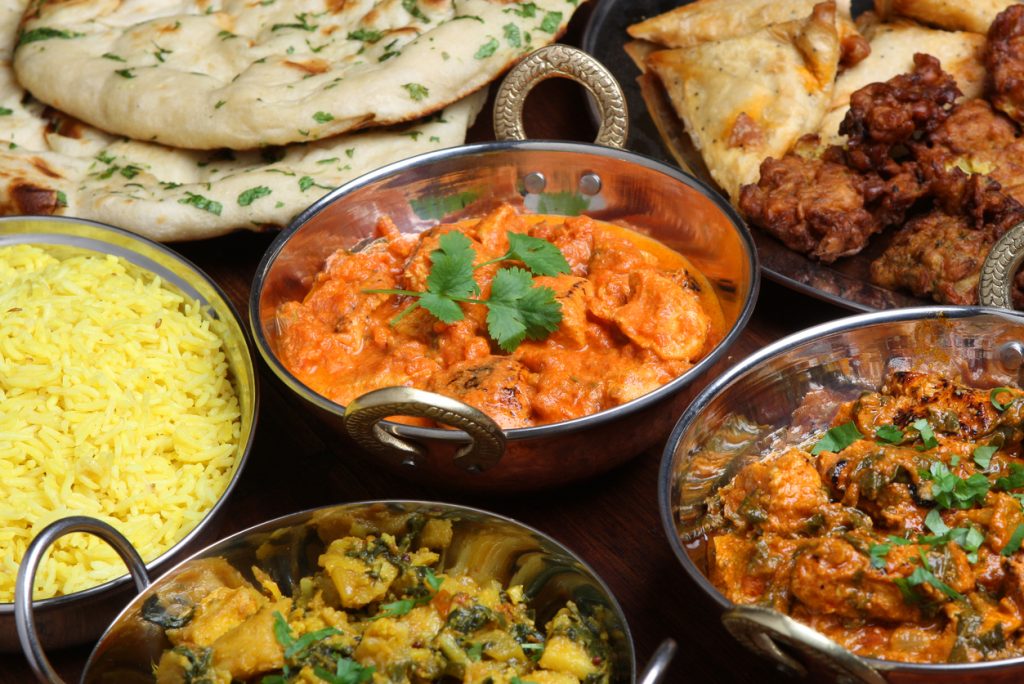
You’ll taste it most clearly in dishes like our Butter Paneer and Chicken Tikka Masala, where garam masala’s warm, aromatic character is a big part of what makes the sauce feel rich and complete rather than one-dimensional.
If you’re curious what garam masala actually tastes like in a finished dish? Explore our full lineup of ready-to-eat Indian meals or find Cafe Spice in the refrigerated section at grocery stores and natural food retailers nationwide.